By partnering with ACU this project involved the installation of civil and electrical infrastructure to support electric vehicle charging operations at an active facility, contributing to the transition toward lower-emission transportation. The scope included excavation and installation of underground ductbanks, electrical conduits, and grounding systems, along with the construction of concrete equipment pads and foundations for charging equipment. Work was carefully planned and sequenced to minimize disruption to ongoing operations while maintaining strict safety and environmental controls. Sustainable construction practices were implemented throughout the project, including efficient material use, responsible waste management, and coordination of equipment deliveries to reduce site impacts. The project also included the installation of electrical distribution equipment, conduit routing, and coordination with utility providers to enable the reliable commissioning of the EV charging infrastructure and support long-term electrification goals.
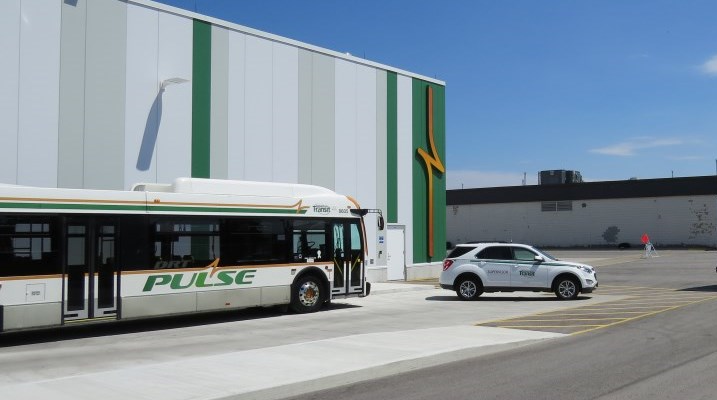
The project supports Durham Region Transit’s transition to low-emission electric buses by installing EV charging infrastructure and supporting electrical systems. Construction will follow sustainable practices, including efficient material use, waste management, and environmental protection measures. The infrastructure enables long-term reductions in greenhouse gas emissions and improved air quality through transit electrification.